Blog

  • SMS Marketing Platforms: Complete Guide for 2025

    SMS Marketing Platforms: Complete Guide for 2025

    SMS Marketing Platforms: The Complete Guide for Service Businesses in 2025

    Your customers open text messages within minutes. They ignore emails for days — sometimes forever. If you run a service business and you are not using SMS marketing platforms to reach your customers, you are leaving money on the table. The challenge is not whether to use text marketing. The challenge is picking the right platform and making it work without adding hours to your week.

    This guide breaks down everything you need to know about SMS marketing platforms — what they are, how to choose one, what features actually matter, and how to get results without hiring a marketing team. Whether you run a dental practice, a plumbing company, a salon, or any other service business, this is your no-nonsense roadmap.

    What Are SMS Marketing Platforms?

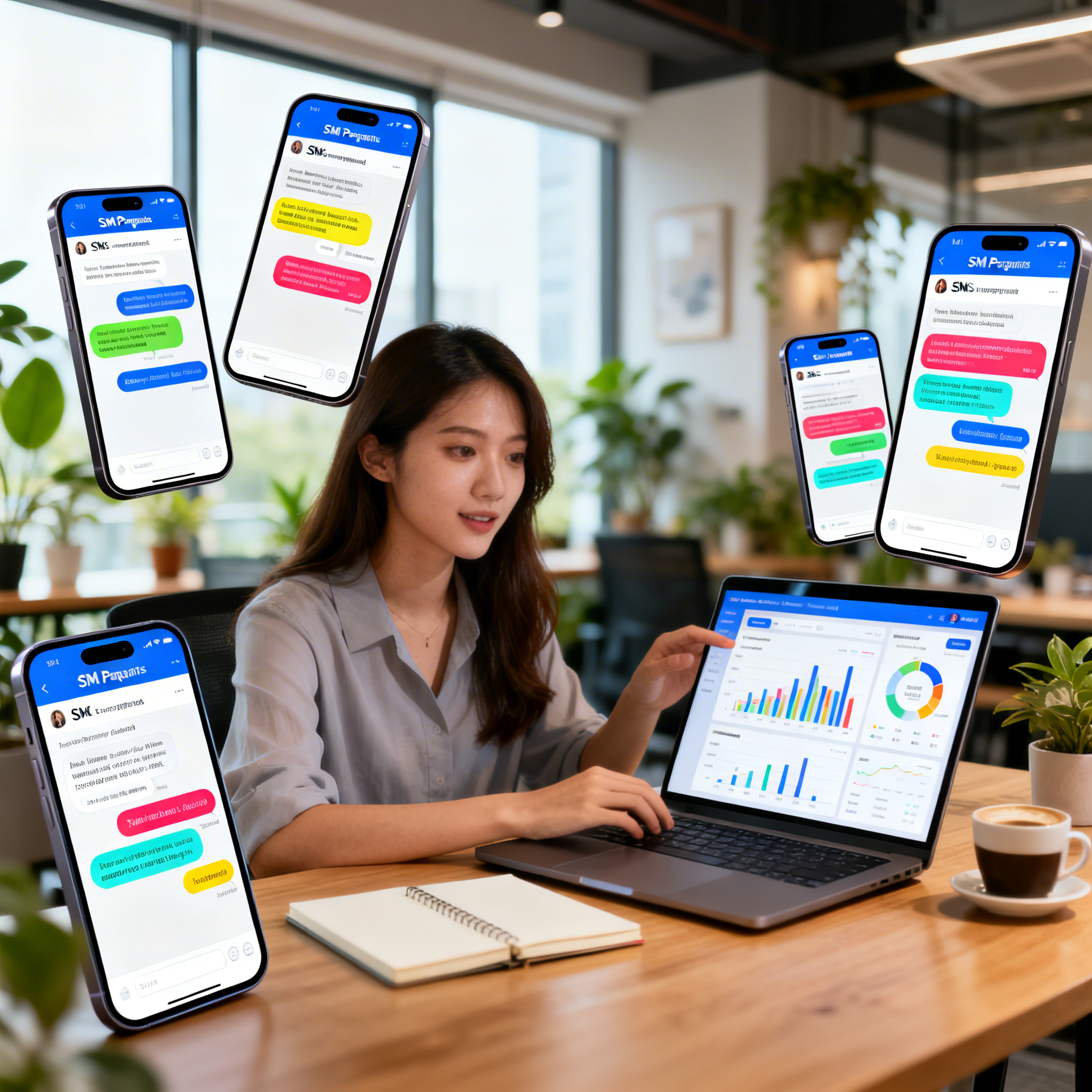
    SMS marketing platforms are software tools that let businesses send text messages to customers at scale. Instead of texting people one by one from your personal phone, these platforms let you send promotional messages, appointment reminders, follow-ups, and two-way conversations — all from a single dashboard.

    Think of them as the text-message version of email marketing tools. You build a contact list, create messages, schedule sends, and track results. But unlike email, text messages get opened. According to Forbes, SMS open rates consistently outperform email by a wide margin, with most texts being read within just a few minutes of delivery.

    Most modern SMS marketing platforms go beyond simple blasts. They include features like:

    • Two-way messaging so customers can reply and start conversations
    • Automated workflows that trigger texts based on customer actions
    • Contact segmentation so you send the right message to the right people
    • Compliance tools to keep you on the right side of regulations like the TCPA
    • Analytics to track delivery rates, responses, and conversions

    For service businesses, SMS marketing platforms are especially powerful because your customers expect fast, personal communication. They do not want to dig through their inbox to find a booking confirmation. They want a text.

    Why SMS Marketing Matters More Than Ever for Service Businesses

    Let us be honest. Service businesses have different needs than ecommerce brands. You are not sending abandoned cart reminders. You are trying to fill appointment slots, follow up with leads before they call your competitor, and keep loyal customers coming back.

    Ready to automate your business communications? SalesCaptain documentation today.

    Ready to automate your business communications? try SalesCaptain free today.

    Here is why SMS marketing platforms have become essential for businesses like yours:

    Speed Wins Deals

    When someone requests a quote or fills out a contact form, the clock starts ticking. The first business to respond usually wins the job. SMS lets you respond instantly — or automate that first response so you never miss a lead, even at 2 AM.

    Customers Prefer Texting

    Most people under 50 would rather text a business than call. If you are still forcing every interaction through phone calls or email, you are making it harder for customers to choose you. SMS marketing platforms let you meet people where they already are — their text inbox.

    Higher Engagement Than Any Other Channel

    Email marketing averages around a 20% open rate on a good day. Social media posts reach a fraction of your followers. Text messages consistently see open rates above 90%. There is no marketing channel that gets more eyeballs per message than SMS.

    It Scales Without Adding Staff

    This is the big one for small business owners. You do not need to hire a receptionist to handle follow-ups. You do not need a marketing coordinator to send reminders. The right SMS marketing platform automates all of it. You set it up once, and it runs.

    What Makes a Great SMS Marketing Platform for SMBs?

    Not every SMS platform is built for small and mid-sized service businesses. Many are designed for enterprise companies or ecommerce brands with very different needs. Here is what to look for when evaluating SMS marketing platforms for your business:

    Ease of Use

    You are a business owner, not a software engineer. The platform should be simple to set up and easy to manage. If you need a training course just to send a text, it is the wrong tool. Look for drag-and-drop builders, pre-built templates, and intuitive dashboards.

    Two-Way Messaging

    One-way blasts are useful, but the real power of SMS is conversation. When a customer replies to your text, you need to see that reply and respond quickly. The best SMS marketing platforms give you a shared inbox where your whole team can manage conversations. According to G2’s SMS marketing category, two-way messaging is one of the most requested features among small business buyers.

    Automation and AI Capabilities

    Manual texting does not scale. You need automated workflows — text a lead when they fill out a form, send a reminder 24 hours before an appointment, follow up a week after a job is done. Increasingly, the best platforms use AI to handle these conversations intelligently, not just fire off canned responses.

    Plentiful Integrations

    Your SMS platform should talk to the rest of your tech stack. That means your CRM, your booking software, your Google Business Profile, and your payment tools. Without integrations, you end up copying and pasting data between systems — which defeats the purpose.

    Compliance Built In

    SMS marketing is heavily regulated. The Telephone Consumer Protection Act (TCPA) requires explicit consent before you text someone for marketing purposes, and violations can cost $500 to $1,500 per message. A good platform handles opt-in management, opt-out requests, and consent tracking automatically so you do not accidentally break the law.

    Transparent, Affordable Pricing

    Many SMS marketing platforms charge per message, per contact, or both — and costs can spike fast. Look for pricing that is predictable and scales with your business. Multi-location businesses should pay special attention to per-location pricing models that do not punish growth.

    Multichannel Support

    SMS rarely works in isolation. Your customers also reach out via phone calls, web chat, social media DMs, and Google messages. Platforms that combine SMS with other channels in a single inbox save you from juggling five different tools.

    Comparing Popular SMS Marketing Platforms

    There are dozens of SMS marketing platforms on the market. Here is a quick comparison of some popular options, focusing on what matters most for service businesses:

    Platform Best For Two-Way Messaging AI Agents Unified Inbox Starting Price
    SalesCaptain Service businesses, multi-location Yes Yes (voice + chat) Yes Free
    Textmagic Simple SMS blasts Yes No Limited Pay-per-text
    SimpleTexting Small campaigns Yes No No ~$39/month
    EZ Texting Nonprofits, basic marketing Yes No No ~$25/month
    SlickText SMS-focused campaigns Yes No No ~$29/month
    Podium Reviews + messaging Yes Limited Yes ~$399/month
    Klaviyo Ecommerce (email + SMS) Limited No No Free (250 contacts)
    Omnisend Ecommerce automation Limited No No Free (limited)
    Trumpia Enterprise SMS Yes No No Custom pricing
    SendPulse Multi-channel (email + SMS) Limited Chatbots Partial Pay-per-text

    A few things stand out in this comparison. Most standalone SMS marketing platforms do a good job of sending messages. But very few combine SMS with other communication channels, and even fewer offer AI-powered agents that can actually hold conversations on your behalf. For service businesses that need to manage phone calls, texts, web chats, and social messages in one place, the field narrows significantly.

    Best Practices for SMS Marketing That Actually Works

    Having the right platform is step one. Using it well is step two. Here are proven best practices for getting real results from SMS marketing:

    Get Explicit Consent — Always

    Never text someone who has not opted in. Use your website, intake forms, or in-person sign-ups to collect permission. Your SMS marketing platform should make this easy with built-in opt-in tools and keyword subscriptions (like texting “JOIN” to a number).

    Keep Messages Short and Useful

    Nobody wants a three-paragraph text from a business. Get to the point in two to three sentences. Include a clear call to action — book now, reply YES to confirm, click here for your quote. Every text should give the reader a reason to act.

    Time Your Messages Right

    Sending a promotional text at 6 AM on a Sunday is a great way to get unsubscribes. Stick to business hours. Tuesday through Thursday midday tends to perform well for most service businesses. Test different times and check your platform’s analytics to find your sweet spot.

    Personalize When Possible

    Use the customer’s first name. Reference their last service or appointment. Personalized texts feel like a message from a real person, not a mass blast. Most SMS marketing platforms support merge fields that make personalization automatic.

    Combine SMS With Other Channels

    SMS works best as part of a broader communication strategy. Send a text reminder for an upcoming appointment, follow up with an email summary after the job, and use web chat to handle questions from new visitors. The businesses that win are the ones that show up consistently on every channel. Research from HubSpot consistently shows that multichannel outreach outperforms single-channel strategies.

    Automate Your Follow-Ups

    The fastest ROI from SMS marketing comes from automating the messages you are already sending manually. Appointment confirmations, review requests, payment reminders, re-engagement campaigns — set these up once and let them run. Your future self will thank you.

    Monitor and Optimize

    Track your delivery rates, open rates, response rates, and opt-out rates. If a message is getting a lot of unsubscribes, rewrite it. If a certain campaign type drives more bookings, do more of it. The numbers do not lie.

    How SalesCaptain Helps

    Most SMS marketing platforms solve one problem: sending texts. SalesCaptain solves the bigger problem — handling all your customer communication in one place, with AI doing the heavy lifting.

    SalesCaptain is a unified communication platform built specifically for service businesses. It brings your calls, SMS, webchat, and social media messages into a single collaborative inbox. But here is what makes it different from other SMS marketing platforms:

    • AI voice agents and AI chat agents that handle customer conversations 24/7 — not just canned auto-replies, but intelligent agents that answer questions, book appointments, and follow up with leads
    • A true unified inbox where your whole team can see and manage every customer interaction across every channel
    • No technical expertise required — you can build and deploy AI agents without writing a single line of code
    • 50+ native integrations with the tools you already use
    • Per-location pricing that makes sense for multi-location businesses — $159/month per location for the Business plan, or $300/month per location for Enterprise. AI calls run $0.12/minute
    • A free Startup plan for businesses with one location who want to get started without risk
    • 99.99% uptime so your communication never goes down

    The bottom line: if you are a service business owner who is tired of juggling separate tools for texting, calling, web chat, and social messages — and you want AI to handle the conversations you do not have time for — SalesCaptain was built for you. It is the only platform that combines AI voice agents, AI chat agents, and a unified inbox in one tool.

    Key Takeaways

    • SMS marketing platforms let you reach customers on the channel they actually check — their text messages — with open rates far above email or social media.
    • For service businesses, two-way messaging and automation matter more than fancy campaign builders. You need to respond fast and follow up consistently.
    • Look for platforms that offer ease of use, integrations, compliance tools, and multichannel support — not just bulk texting.
    • The best results come from combining SMS with other channels like calls, web chat, and social messaging in a single inbox.
    • AI-powered platforms can handle customer conversations around the clock, letting you grow without hiring more staff.
    • Always get explicit opt-in consent, keep messages short, personalize when you can, and track your results.
    • SalesCaptain is the only platform that combines AI voice agents, AI chat agents, and a unified inbox — built specifically for service businesses starting with a free plan.

    SMS Marketing Platforms FAQ

    What is the best SMS marketing platform for small service businesses?

    The best platform depends on your needs. If you just need basic text blasts, tools like SimpleTexting or EZ Texting work fine. But if you want to manage texts, calls, web chat, and social messages in one place — with AI handling conversations — SalesCaptain is built specifically for service businesses and starts with a free plan.

    How much do SMS marketing platforms cost?

    Pricing varies widely. Some platforms charge per message

  • Smith.ai vs SalesCaptain: Full Comparison (2024)

    Smith.ai vs SalesCaptain: Full Comparison (2024)

    Smith.ai vs SalesCaptain: Which Is the Better Communication Platform for Your Service Business?

    If you’re comparing Smith.ai vs SalesCaptain, you’re likely a service business owner looking for a smarter way to handle customer calls, messages, and inquiries — without hiring a bigger team. Both platforms promise to take work off your plate, but they approach the problem in very different ways. This comparison breaks down the key differences so you can make a confident decision fast.

    We’ll cover what each platform does, how they compare on features and pricing, where each one falls short, and which is the better fit depending on your business needs.

    What Is Smith.ai?

    Smith.ai is a virtual receptionist and intake service that combines live human agents with AI to answer calls, chats, and texts on behalf of businesses. They’re primarily known in the legal and professional services space. Smith.ai’s model relies heavily on human receptionists who handle your customer interactions during business hours, supplemented by AI for after-hours and overflow calls.

    What Is SalesCaptain?

    SalesCaptain is an AI-powered unified communication platform built specifically for service businesses. Instead of relying on human agents, SalesCaptain lets you build and deploy your own AI voice agents and AI chat agents that handle customer interactions 24/7 — across calls, SMS, webchat, and social media. Everything flows into one collaborative inbox so your team never misses a conversation. It requires no technical expertise to set up, and there’s a free plan available to get started.

    Ready to automate your business communications? SalesCaptain documentation today.

    Ready to automate your business communications? try SalesCaptain free today.

    The core idea behind SalesCaptain is simple: give small and mid-sized businesses the communication tools they need to grow without having to hire more staff or pay per-call fees that add up quickly. According to industry research, AI-driven automation is rapidly transforming how businesses engage with customers, making platforms like SalesCaptain increasingly relevant for SMBs looking to stay competitive.

    Smith.ai vs SalesCaptain: Feature Comparison

    Here’s a side-by-side look at how these two platforms stack up across the features that matter most to service businesses. (For a broader view of how customer communications management tools compare across the market, independent review platforms can be a helpful resource.)

    Feature Smith.ai SalesCaptain
    AI Voice Agent Limited; relies primarily on human receptionists with some AI assistance Fully autonomous AI voice agents that handle calls 24/7 without human intervention
    AI Chat Agent Offers website chat with human agents and some AI chatbot features AI chat agents across webchat, SMS, and social media — all automated
    Unified Inbox No unified inbox; separate channels for calls, chats, and messages One collaborative inbox for calls, SMS, webchat, and social media
    Pricing Model Per-call and per-chat pricing; plans start around $255/month for a limited number of calls Flat per-location pricing starting free; Business plan at $159/month per location; AI calls at $0.12/minute
    Ease of Setup Requires onboarding with the Smith.ai team to configure call handling scripts No technical expertise needed; set up AI agents yourself in minutes
    Integrations Integrates with popular CRMs and legal software 50+ native integrations across CRMs, scheduling tools, and business apps
    Availability Human receptionists available during business hours; AI for overflow and after-hours AI agents available 24/7/365 with no gaps or wait times
    Best For Businesses that prefer a human touch for call answering, especially law firms Service businesses that want full AI automation across every communication channel

    Where Smith.ai Falls Short

    Smith.ai is a solid service if you want real people answering your phones. But for growing service businesses, there are some real limitations to consider:

    • Per-call pricing gets expensive fast. Smith.ai charges per call and per chat. If your business generates a high volume of inquiries — especially during busy seasons — your monthly bill can climb well beyond what you’d expect. There’s no flat-rate option that covers unlimited interactions.
    • No true unified inbox. Smith.ai handles calls and chats, but these don’t flow into a single inbox alongside your SMS, social media messages, and other channels. That means you still need to check multiple places to see all your customer conversations. This creates gaps and slows down response times.
    • Limited AI autonomy. Smith.ai uses AI to support their human receptionists, but the AI isn’t designed to operate independently across all your channels. You’re still relying on human agents for the majority of interactions, which means you’re subject to availability windows and staffing capacity.
    • Not built for multi-channel communication. Smith.ai’s strength is phone calls and website chat. But modern service businesses get inquiries from Facebook, Instagram, Google, SMS, and more. Smith.ai doesn’t offer a centralized way to manage all of these in one platform.
    • Scaling is costly. Because you’re paying for human time, adding more call capacity means paying significantly more. For multi-location businesses, the costs compound in a way that’s hard to budget for. As Forbes notes, controlling operational costs is one of the most critical factors for sustainable small business growth.

    Why SalesCaptain Is the Better Choice for Smith.ai vs SalesCaptain

    When you look at the Smith.ai vs SalesCaptain comparison through the lens of what service businesses actually need — affordable automation, 24/7 coverage, and simplicity — SalesCaptain comes out ahead in several important ways:

    • True 24/7 automation without human dependency. SalesCaptain’s AI voice agents and AI chat agents work around the clock. There are no staffing gaps, no hold times, and no after-hours voicemail. Every call and message gets handled instantly, whether it comes in at 2 PM or 2 AM.
    • One inbox for everything. SalesCaptain is the only platform that combines AI voice agents, AI chat agents, and a unified inbox in one tool. Calls, SMS, webchat, Facebook messages, Instagram DMs — they all land in the same collaborative inbox. Your team sees every conversation in one place.
    • Predictable, affordable pricing. Instead of worrying about per-call fees, SalesCaptain offers a free Startup plan for one location, a Business plan at $159/month per location, and an Enterprise plan at $300/month per location. AI calls are billed at $0.12/minute — straightforward and easy to forecast. For most service businesses, this is significantly cheaper than Smith.ai’s per-call model.
    • Built for service businesses and SMBs. SalesCaptain isn’t a general-purpose answering service. It’s designed from the ground up for service businesses — HVAC companies, dental offices, law firms, salons, home service providers, and more. Every feature is built for the way these businesses actually operate.
    • No technical skills required. You don’t need a developer or IT team. You can set up your AI agents, customize their behavior, and connect your tools without writing a single line of code. According to Gartner research, the rapid adoption of no-code and low-code AI tools is making it easier than ever for non-technical business owners to leverage automation.
    • Scale without hiring. Whether you have one location or fifty, SalesCaptain’s per-location pricing means you can grow without watching your communication costs spiral. Add a new location, deploy your AI agents, and you’re up and running.
    • Reliable infrastructure. SalesCaptain offers 99.99% uptime, so your AI agents are always available when your customers need them.

    Which Should You Choose?

    The right choice depends on what matters most to your business. Here’s a simple way to think about it:

    Choose Smith.ai if:

    • You specifically want live human receptionists answering your calls
    • Your business has a relatively low call volume and you’re comfortable with per-call pricing
    • You don’t need multi-channel communication management
    • The human touch on phone calls is a non-negotiable priority

    Choose SalesCaptain if:

    • You want AI handling customer communication across calls, SMS, chat, and social media — 24/7
    • You need a unified inbox so nothing falls through the cracks
    • You want flat, predictable pricing instead of per-call fees
    • You’re a service business looking to grow without adding headcount
    • You run multiple locations and need an affordable way to scale communication
    • You want to get started quickly without technical help or lengthy onboarding

    For most service businesses that are focused on efficiency, cost savings, and 24/7 responsiveness, SalesCaptain delivers more value for less money. You get complete communication automation in one platform — something Smith.ai simply doesn’t offer. You can also explore Capterra’s directory of customer communications management software to see how both platforms stack up against other options in the market.

    Frequently Asked Questions: Smith.ai vs SalesCaptain

    Is SalesCaptain a virtual receptionist service like Smith.ai?

    Not exactly. Smith.ai uses human receptionists backed by AI. SalesCaptain gives you fully autonomous AI agents that handle calls, texts, chats, and social media messages without needing a human in the loop. You own and control your AI agents, and they work 24/7.

    Is SalesCaptain cheaper than Smith.ai?

    For most service businesses, yes. Smith.ai uses per-call and per-chat pricing, which means your costs increase with every interaction. SalesCaptain charges a flat monthly rate per location — starting with a free plan — with AI calls at just $0.12/minute. For businesses with moderate to high inquiry volumes, SalesCaptain is typically the more cost-effective option.

    Can SalesCaptain handle phone calls like Smith.ai does?

    Yes. SalesCaptain includes AI voice agents that answer inbound calls, ask qualifying questions, book appointments, and route conversations — all automatically. The difference is that SalesCaptain’s AI handles calls without human agents, so there’s no capacity limit and no business-hours restriction.

    Does SalesCaptain work for law firms and professional services?

    Absolutely. SalesCaptain is built for service businesses of all types, including law firms, medical practices, home service companies, and more. With 50+ native integrations, it connects to the CRMs and scheduling tools these businesses already use.

    Can I try SalesCaptain before committing?

    Yes. SalesCaptain offers a free Startup plan for one location. You can set up your AI agents, explore the unified inbox, and see how it works for your business before upgrading to a paid plan.

    Ready to See the Difference?

    If you’re tired of per-call fees and limited communication tools, it’s time to try a platform built for the way service businesses actually work. SalesCaptain gives you AI voice agents, AI chat agents, and a unified inbox — all in one place, starting for free.

    Try SalesCaptain free today and see why service businesses are switching from traditional answering services to full AI-powered communication.

  • Text Messaging Service for Small Business | Full Guide

    Text Messaging Service for Small Business | Full Guide

    Text Messaging Service for Small Business: The Complete Guide to Reaching Customers Faster

    Your customers aren’t checking their email. They’re not answering phone calls from unknown numbers. But there’s one thing they almost always open — a text message. If you’re running a small business and not using a text messaging service, you’re leaving money on the table every single day. The good news? Getting started is easier and more affordable than you think.

    Ready to automate your business communications? SalesCaptain documentation today.

    Ready to automate your business communications? try SalesCaptain free today.

    What Is a Text Messaging Service for Small Business?

    A text messaging service for small business is a platform that lets you send and receive SMS messages with your customers using a business phone number — not your personal cell. These services go far beyond typing out individual texts. They let you send appointment reminders, promotions, follow-ups, and two-way conversations at scale.

    Think of it as your business having a dedicated texting line that multiple team members can access, with tools to automate common messages and keep every conversation organized. Some platforms even use AI to handle replies automatically, so you don’t have to be glued to your phone all day.

    Unlike mass marketing tools that blast one-way messages, modern business texting services focus on real conversations. Your customer texts you a question, and they get a helpful answer — whether that comes from you, your team, or an AI agent working on your behalf. If you’re evaluating different platforms, customer communications management reviews on G2 can help you compare features and user ratings side by side.

    Why Text Messaging Matters More Than Ever for Small Businesses

    Here’s the reality: the way customers want to communicate has changed. Phone calls feel intrusive. Emails pile up unread. But text messages? According to industry research from Statista, SMS open rates far exceed those of email, with most text messages being read within just a few minutes of delivery. For small businesses competing against bigger brands with bigger budgets, texting levels the playing field.

    Customers Expect It

    People text their friends, their family, and their coworkers all day long. When they need to confirm an appointment, ask about pricing, or reschedule a service call, they want to send a quick text — not sit on hold or fill out a contact form. If you’re not available by text, your competitor probably is.

    It Saves You Hours Every Week

    Think about how much time your team spends on the phone confirming appointments, sending reminders, or chasing down late payments. A text messaging service automates most of that. Appointment reminders go out automatically. Payment links get sent without anyone lifting a finger. Follow-ups happen on schedule, every time.

    It Directly Impacts Revenue

    Missed appointments cost service businesses thousands of dollars a year. A simple automated reminder text can cut no-shows dramatically. Promotional texts drive repeat business. Review request texts improve your online reputation, which brings in new customers. Every text you send has the potential to protect or grow your revenue. As Forbes Advisor notes, businesses that adopt real-time communication channels consistently see stronger customer retention and higher lifetime value.

    It Works for Every Type of Service Business

    Whether you run a dental office, a plumbing company, a salon, a law firm, or a landscaping crew, a text messaging service for small business fits into your workflow. Any business that books appointments, follows up with leads, or needs to stay in touch with customers benefits from texting.

    How to Choose the Right Text Messaging Service for Your Small Business

    Not all texting platforms are created equal. Some are built for enterprise companies and come with enterprise-level complexity and pricing. Others are bare-bones tools that won’t grow with you. Here’s what to look for when evaluating your options — and resources like Capterra’s customer communications software directory can help you narrow down the field.

    Two-Way Messaging

    You don’t just need to send texts — you need to receive them. Look for a platform that supports real two-way conversations, so customers can reply and get help without switching to another channel. One-way blasts feel spammy. Two-way conversations build trust.

    Automation Capabilities

    The biggest time savings come from automation. Your platform should let you set up automatic messages triggered by events — a new lead comes in, an appointment is booked, a service is completed. The less manual texting your team has to do, the more time they can spend on work that actually grows the business. According to research from McKinsey, businesses that invest in marketing and communications automation often see measurable improvements in both efficiency and customer engagement.

    A Unified Inbox

    If your texts live in one app, your emails in another, and your social media messages in a third, things will fall through the cracks. The best text messaging services pull all your customer conversations into one place — a unified inbox — so nothing gets missed and your whole team can see what’s going on.

    Easy Setup and No Technical Skills Required

    You’re a business owner, not a software engineer. If a platform requires coding, complex API setups, or weeks of onboarding, it’s not built for small business. Look for something you can set up and start using the same day.

    Affordable, Transparent Pricing

    Watch out for platforms that charge per user, per message, and per feature — costs add up fast. Look for straightforward pricing that makes sense for a small business budget. Bonus points if there’s a free plan so you can try before you buy.

    Compliance Built In

    Business texting comes with rules. Customers need to opt in before you text them. You need to provide opt-out options. A good platform handles compliance for you, so you don’t accidentally violate regulations like the TCPA (Telephone Consumer Protection Act) and end up with fines.

    Best Practices for Small Business Text Messaging

    Having the right tool is only half the equation. How you use it matters just as much. Follow these best practices to get the most out of your text messaging service.

    Always Get Permission First

    Never text someone who hasn’t opted in. Period. Use sign-up forms, checkbox confirmations during booking, or keyword opt-ins (like “Text JOIN to 55555”) to build your list the right way. This keeps you compliant and ensures you’re only messaging people who actually want to hear from you.

    Keep Messages Short and Useful

    A text is not an email. Don’t write paragraphs. Get to the point. “Hi Sarah, your appointment is tomorrow at 2pm. Reply C to confirm or R to reschedule.” That’s all you need. Every message should have a clear purpose and ideally a clear next step.

    Personalize When Possible

    Messages that use the customer’s name and reference their specific appointment or service feel personal — even when they’re automated. Most platforms let you insert dynamic fields like first name, appointment date, and service type. Use them. “Hi there” doesn’t hit the same as “Hi Marcus.”

    Respond Quickly

    When a customer texts you, they expect a fast reply. If you can’t respond within a few minutes during business hours, you need a system that can — whether that’s a team member monitoring the inbox or an AI agent handling initial responses automatically.

    Don’t Over-Text

    There’s a fine line between staying in touch and being annoying. Stick to messages that provide genuine value — reminders, confirmations, special offers, review requests. If a customer feels bombarded, they’ll opt out and you’ll lose the connection entirely.

    Track What’s Working

    Pay attention to which messages get the best response rates. Test different wording, timing, and offers. Over time, you’ll learn what your customers respond to and you can optimize your approach.

    How SalesCaptain Helps Small Businesses With Text Messaging

    If you’re looking for a text messaging service for small business that does more than just send texts, SalesCaptain is worth a look. It’s built specifically for service businesses and SMBs — not retrofitted from some enterprise tool.

    With SalesCaptain, you get a unified inbox that brings together SMS, phone calls, webchat, and social media messages into one place. Your entire team can collaborate on customer conversations without anything slipping through the cracks.

    What sets SalesCaptain apart is its AI-powered automation. You can build AI agents that handle customer texts 24/7 — answering questions, confirming appointments, and following up with leads — without needing any technical skills to set them up. That means your business is responsive around the clock, even when you’re off the clock.

    SalesCaptain also combines AI voice agents with AI chat agents in one platform, which is rare. So you’re not just automating texts — you’re automating phone calls and webchat too. All from one dashboard.

    Pricing starts with a free plan for one location, with paid plans at $159/month per location for growing businesses. There are over 50 native integrations, so it connects to the tools you’re already using. And with 99.99% uptime, you can count on it being there when your customers reach out.

    Key Takeaways

    • Text messaging is the channel your customers prefer. It’s fast, personal, and gets opened almost immediately.
    • A text messaging service for small business saves you time and money by automating reminders, follow-ups, and customer conversations.
    • Look for two-way messaging, automation, a unified inbox, and simple pricing when choosing a platform.
    • Always get permission, keep messages short, and respond quickly to get the best results from texting.
    • AI-powered platforms like SalesCaptain can handle customer texts 24/7, so you can grow without hiring more staff.
    • Start simple. Even automating appointment reminders and review requests will make a noticeable impact on your business.

    Frequently Asked Questions

    Is a text messaging service legal for small businesses?

    Yes, but there are rules. You need to get customer consent before texting them, include opt-out instructions, and follow regulations like the TCPA. A good texting platform will have compliance features built in to help you stay on the right side of the law.

    How much does a text messaging service for small business cost?

    Prices vary widely. Some platforms charge per message, others charge a flat monthly rate. You can find free plans with basic features and paid plans ranging from around $20 to $300+ per month depending on the features and scale you need. SalesCaptain, for example, offers a free startup plan and paid plans starting at $159/month per location.

    Can I use my existing business phone number for texting?

    In most cases, yes. Many text messaging platforms let you port your existing business number or enable texting on it. If that’s not possible, they’ll provide you with a new dedicated business number.

    What types of messages should I send to customers?

    Focus on messages that provide value: appointment reminders, booking confirmations, follow-ups after service, review requests, payment reminders, and occasional promotions or special offers. Avoid sending texts that don’t have a clear purpose.

    Do I need technical skills to set up a business texting service?

    Not with modern platforms. Most small business texting tools are designed for non-technical users. You should be able to sign up, connect your number, and start sending messages within an hour — no coding or IT support needed.

    Ready to Automate Your Customer Conversations?

    Stop losing leads to missed messages and slow response times. SalesCaptain brings your texts, calls, webchat, and social messages into one AI-powered inbox — so your business is always on, even when you’re not.

    See how SalesCaptain can help →

  • AI Receptionist for Service Businesses | SalesCaptain

    AI Receptionist for Service Businesses | SalesCaptain

    AI Receptionist

    Every missed call is a missed opportunity. For service businesses, a single unanswered phone call can mean losing a customer worth hundreds or even thousands of dollars. An AI receptionist from SalesCaptain answers every call, responds to every message, and books appointments around the clock — so you never lose business again, even when your team is busy, off the clock, or simply overwhelmed.

    If you run a service business and you’re tired of hiring, training, and managing front desk staff just to keep up with incoming calls and messages, this page will show you exactly how SalesCaptain’s AI receptionist works and why it’s built for businesses like yours.

    What Is an AI Receptionist?

    An AI receptionist is a virtual assistant powered by artificial intelligence that handles incoming customer communication — phone calls, text messages, webchat, and social media messages — without needing a human on the other end. It can greet callers, answer common questions, book appointments, route calls, collect customer information, and follow up automatically.

    Unlike a traditional receptionist who works set hours and can only handle one conversation at a time, an AI receptionist works 24 hours a day, 7 days a week. It handles multiple conversations at once and never calls in sick, takes a lunch break, or puts a customer on hold. According to industry research from Gartner, AI-powered customer interaction tools are among the fastest-growing categories in business technology adoption.

    Think of it as your most reliable front desk employee — one that never sleeps and gets better over time.

    How the AI Receptionist Works in SalesCaptain

    SalesCaptain makes it simple to set up and deploy your own AI receptionist. You don’t need any technical skills, coding knowledge, or IT team. Here’s how it works, step by step:

    Step 1: Set Up Your AI Agent

    Log into SalesCaptain and create a new AI agent. You’ll tell it about your business — your services, hours, location, pricing, and anything else a customer might ask about. This is how the AI learns to represent your business accurately.

    Step 2: Choose Your Channels

    Decide where your AI receptionist should work. You can deploy it across phone calls, SMS, webchat on your website, and social media platforms. You can choose one channel or all of them — everything flows into one unified inbox.

    Step 3: Define the Workflow

    Set up what your AI receptionist should do when a customer reaches out. Should it book appointments? Answer FAQs? Collect a name and phone number? Route urgent calls to a specific team member? You define the rules, and the AI follows them.

    Step 4: Go Live

    Turn it on. Your AI receptionist immediately starts handling incoming communication. Every interaction is logged in SalesCaptain’s collaborative inbox, so your team can see what’s happening in real time and jump in when needed.

    Ready to automate your business communications? SalesCaptain documentation today.

    Ready to automate your business communications? try SalesCaptain free today.

    Step 5: Monitor and Improve

    Review conversations, see how the AI is performing, and make adjustments. The more context you give your AI agent, the better it gets at helping your customers.

    Key Capabilities of SalesCaptain’s AI Receptionist

    This isn’t a basic auto-attendant or a phone tree that frustrates callers. SalesCaptain’s AI receptionist is built to have real, helpful conversations with your customers. Here’s what it can do:

    • Answer phone calls with AI voice agents: Customers call your business number and speak to an AI that sounds natural, answers their questions, and takes action — like booking an appointment or transferring to the right person.
    • Respond to text messages instantly: When someone texts your business, the AI replies immediately with helpful, relevant answers. No more hours-long response times.
    • Handle webchat on your website: A visitor lands on your site and has a question? The AI receptionist engages them in real time, answers their questions, and captures their contact information before they leave.
    • Manage social media messages: Incoming messages from platforms like Facebook flow into the same system. Your AI handles them just like any other channel.
    • Book appointments automatically: The AI checks availability and schedules appointments directly, without any back-and-forth or human involvement.
    • Collect and qualify leads: Every interaction captures customer details — name, phone number, what they need, and when they need it. Your team gets organized lead information without lifting a finger.
    • Route conversations to the right person: When a situation needs a human touch, the AI receptionist transfers the call or flags the conversation for your team in the unified inbox.
    • Work across multiple locations: If you run more than one location, each one can have its own AI receptionist with its own settings, pricing, and availability.
    • Integrate with your existing tools: SalesCaptain offers 50+ native integrations, so your AI receptionist can connect to your calendar, CRM, and other business tools you already use.

    Who Needs an AI Receptionist?

    If your business relies on phone calls, messages, or appointments to generate revenue, an AI receptionist can make an immediate difference. Here are the types of businesses and roles that benefit most:

    • Home service businesses: Plumbers, electricians, HVAC companies, cleaning services, and landscapers who miss calls while they’re on the job.
    • Healthcare and dental offices: Clinics, dental practices, and wellness centers that deal with high call volumes for scheduling and rescheduling.
    • Legal practices: Law firms and solo attorneys who can’t afford to miss a potential client’s first call.
    • Auto repair shops: Mechanics and body shops that are too busy under the hood to answer the phone.
    • Salons and spas: Beauty businesses where the staff is always with clients and can’t get to the phone.
    • Real estate agencies: Agents and property managers who need to respond to inquiries instantly to stay competitive.
    • Multi-location businesses: Any service business with multiple locations that needs consistent communication across all of them.
    • Solo business owners: Entrepreneurs who are doing everything themselves and need an extra set of hands (without the extra payroll).

    Benefits of Using an AI Receptionist for Your Business

    Switching to an AI receptionist isn’t just about technology — it’s about real business outcomes. Here’s what changes when you put SalesCaptain’s AI to work:

    Never Miss Another Call or Message

    Your AI receptionist is available 24/7/365. Whether a customer calls at 2 PM or 2 AM, they get an answer. That means fewer lost leads and more booked jobs.

    Save Money on Staffing

    Hiring a full-time receptionist can cost $30,000 to $50,000 per year, plus benefits. SalesCaptain’s AI receptionist starts on a free plan, with paid plans at $159/month per location. AI call minutes are just $0.12/minute. The math is simple.

    Respond Faster Than Your Competition

    Speed matters. According to research published in Harvard Business Review, the first business to respond to an inquiry is usually the one that wins the job. When your AI receptionist replies in seconds — not hours — you’re always first in line.

    Free Up Your Team to Do Real Work

    Your skilled employees shouldn’t spend their day answering routine calls. Let the AI handle the repetitive stuff so your team can focus on delivering great service.

    Grow Without Hiring More Staff

    As your business grows, your call volume grows too. Instead of hiring another receptionist for every new wave of customers, your AI scales with you automatically. As McKinsey’s research on growth and marketing highlights, AI-driven automation is a key lever for scaling small and mid-sized businesses efficiently.

    Keep Everything in One Place

    Every call, text, webchat, and social message lands in one collaborative inbox. Your whole team can see the full picture and pick up any conversation without asking “what did the customer say?”

    How SalesCaptain’s AI Receptionist Compares

    There are other tools out there that offer pieces of what SalesCaptain does. Some handle AI phone calls. Others do chatbots. A few offer a shared inbox. But most of them force you to stitch together multiple tools and pay for each one separately. (If you’re evaluating your options, platforms like G2’s customer communications management category offer side-by-side comparisons of tools in this space.)

    SalesCaptain is the only platform that combines AI voice agents, AI chat agents, and a unified inbox in a single tool — built specifically for service businesses and SMBs. You don’t need to be technical to set it up. You don’t need to hire a developer. And you don’t need to manage five different subscriptions to cover all your communication channels.

    With per-location pricing, a free startup plan, 50+ integrations, and 99.99% uptime, SalesCaptain is designed to be the simplest, most affordable way to put an AI receptionist to work for your business.

    Frequently Asked Questions

    Does the AI receptionist sound like a robot?

    No. SalesCaptain’s AI voice agents are designed to sound natural and conversational. Callers interact with an AI that listens, understands context, and responds in a way that feels like talking to a real person — not pressing buttons on a phone tree.

    Can I still have my team handle certain calls?

    Absolutely. Your AI receptionist can be set up to handle routine inquiries on its own and transfer more complex or high-priority conversations to a specific team member. Everything shows up in the unified inbox, so your team always has full context.

    How long does it take to set up an AI receptionist on SalesCaptain?

    Most businesses can set up their AI receptionist the same day they sign up. There’s no coding required. You provide information about your business, choose your channels, define the workflow, and you’re live.

    What does it cost to use the AI receptionist?

    SalesCaptain offers a free startup plan for one location. Paid plans start at $159/month per location for the Business plan and $300/month per location for the Enterprise plan. AI call minutes are billed at $0.12/minute. There are no long-term contracts required.

    Stop Missing Calls. Start Growing Your Business.

    Your customers are reaching out right now — by phone, text, webchat, and social media. If you’re not answering instantly, someone else is. SalesCaptain’s AI receptionist makes sure every customer gets a fast, helpful response, every time, on every channel.

    Get started with SalesCaptain today and see what happens when you never miss another customer again.

  • Hello world!

    Welcome to WordPress. This is your first post. Edit or delete it, then start writing!